Gender reveal cake: how it works and how to order one
11 November 2026
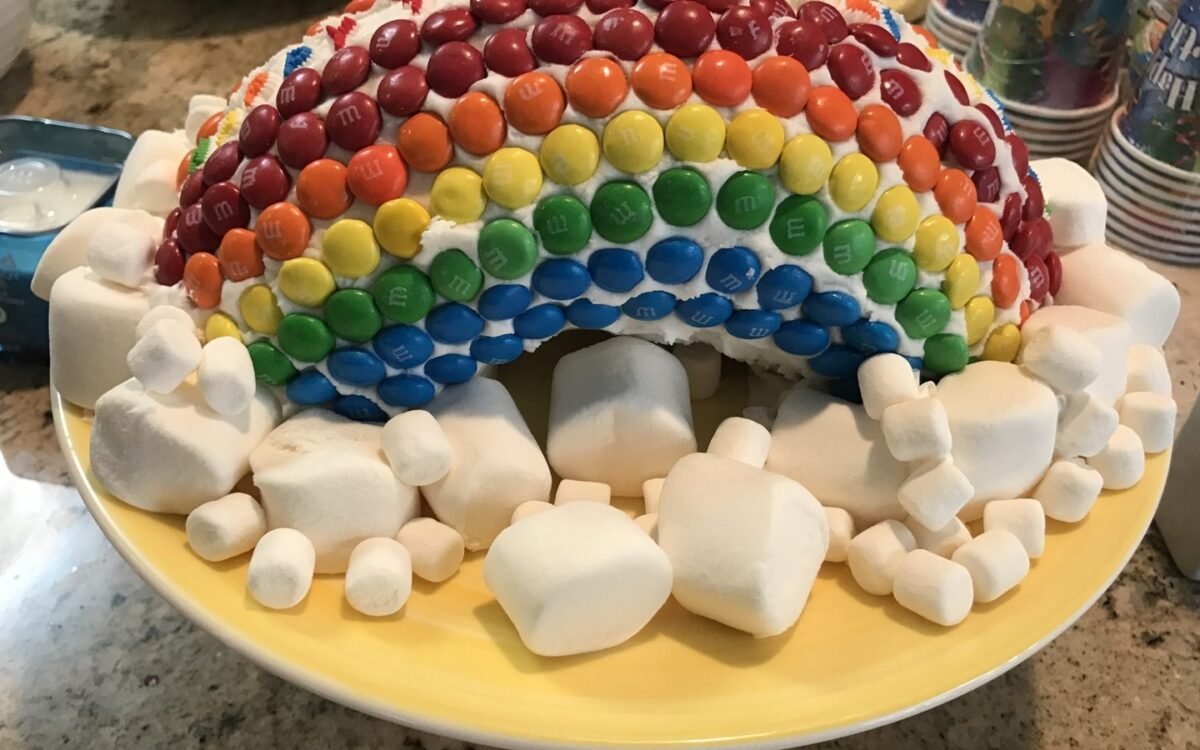
A gender reveal cake looks plain, or neutral, on the outside and shows pink or blue (or another colour) when it is cut. You give the baker a sealed envelope with the scan result, they bake the colour into the sponge or filling without telling you, and the party finds out at the first slice.
How the envelope arrangement works
The process is simple and the baker keeps the secret. After the scan, whoever receives the result (often a sonographer, a friend or a relative) writes it down and seals it. You hand that envelope to the baker, or post it, with your order. Nobody in the household opens it. The baker reads it privately and colours the inside to match.
A few practical details are worth agreeing early:
- Ask the baker to confirm by a short message that the envelope has arrived, without saying what it contains.
- Keep a spare copy of the result with the person who sealed it, in case the envelope is lost.
- Check how the baker stores the envelope until baking day and whether anyone else in the bakery will see it.
- Agree a collection time that does not leave the finished cake sitting in a warm car.
Some people prefer not to know for themselves and want only the baker to know. Others ask a friend to collect the cake so that the parents-to-be stay in the dark right up to the cut. Either arrangement works as long as someone is clear about who is holding the secret.
What is inside
The usual method is coloured sponge layers, which stay hidden under the icing, or a coloured filling or crumb centre that appears when the cake is sliced. A simple version is two or three layers of pink or blue sponge inside a white or neutral buttercream. A more dramatic version fills a hollow centre with sweets or sprinkles that spill out when the cake is cut, though that depends on the design and on how the baker builds the cake.
The outside is deliberately neutral so as not to give things away: white, gold, grey, or a mix of pink and blue. Many people choose a design that suits a baby shower, with the colour as a surprise only for the cut. Because colouring is baked in, the baker will use food colouring, so ask what is in it if anyone is sensitive to additives.
Other colours and ideas
Not every family follows pink and blue. Some parents choose yellow and green, or warm tones, or leave the decision open. Some cakes reveal a single colour, and some do a surprise of the baby’s due month, name or other news. If you want something different, say so in the first message. A baker can only match a plan they know about.
Choosing a size
The size follows the guest list and not the tin. From the price lists we checked in October 2026, a 6-inch cake serves around 8 to 12 slices, an 8-inch around 16 to 25 depending on the baker, and a 10-inch roughly 24 to 26. A gender reveal is often a small family party, so a 6-inch or 8-inch is commonly enough. For a bigger group, cupcakes with coloured centres are an option, although the reveal is less of a moment when guests bite into separate cakes.
Ask the baker how many slices their cake gives and compare that figure in your quotes. The same 8-inch can serve very different numbers depending on how it is cut.
Timing and ordering
Lead time is the constraint here, because the date of the scan decides the date of the order. Many couples learn the sex at around the mid-pregnancy scan, so you may have only a couple of weeks to organise the party. Contact bakers before the scan, ask whether they can take a booking in the week after, and find out how much notice they need once they have the envelope. Fresh cream cakes can often be ordered with less notice, according to our cake price guide, which says they are usually booked days ahead rather than weeks.
If your party date sits well after the scan, you have more room and can ask for a more detailed design.
Keeping the secret
The envelope is the easy part. The harder part is the people around you. Tell relatives and friends who might be at the bakery or the party that the baker knows, and ask them not to guess aloud. If you will collect the cake yourself, ask the baker to box it so that the inside cannot be seen, and do not cut a corner off to peek. Tape the envelope shut with something a bit awkward to open, if you worry about your own curiosity.
Costs
Expect pricing to follow ordinary celebration cakes. The cake price guide reports a middle-of-the-market range of about £35 to £75, with London and heavily decorated cakes above £100. The extra effort of the hidden colour is modest next to the decoration, although ask whether it is included in the quote.
Allergens
Tell the baker about any allergies in the group when you place the order, since it is easy to forget when planning a surprise. Vegan and gluten-free bakers can colour sponges just as well, and the directory has pages for vegan and gluten-free cakes. General guidance on allergen information is at food.gov.uk.
Photos and cutting
Plan where the cake is cut, and who stands where, before the knife comes out. A cake with a bright reveal photographs best against a plain background with good light, and the first slice is the one to hold up. Have a second person ready to film. The cut should happen soon after the cake is out, because the surprise is the point.
Finding a baker
Look at bakers whose listings show themed or baby-shower cakes. The cakes speciality page is the best starting point, and county pages such as Greater London narrow it down.