Christening cake: traditions, sizes, designs and when to order
14 November 2026
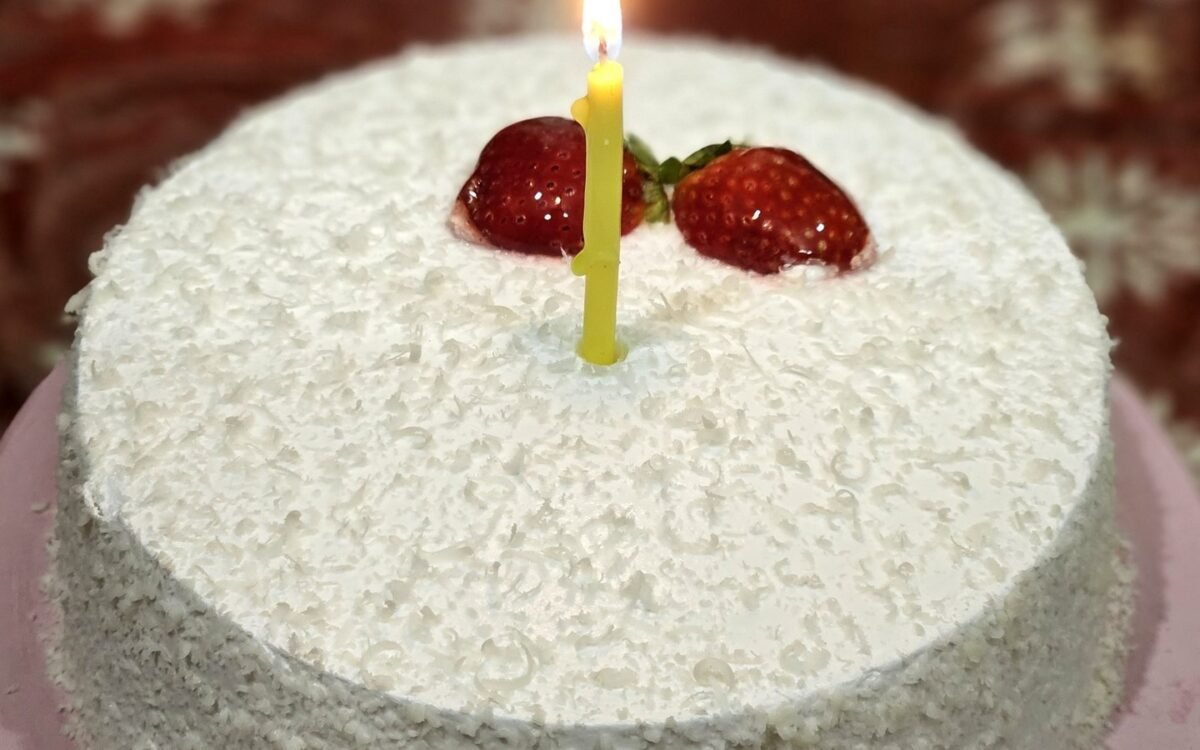
A christening cake is usually a single decorated cake, round or square, sized for the guests at the party afterwards, and it is best ordered four to six weeks ahead if it is heavily decorated. Simple designs can often be done in two weeks or less, but ask the baker rather than assuming.
Where the tradition comes from
The classic British christening cake was a fruit cake, and for a long time it was the top tier of the parents’ wedding cake. Couples wrapped it carefully, kept it, and brought it out for the first child’s christening. Fruit cake, being rich in sugar and alcohol, was the type that could be kept for that long. Some families still do this, and some bakers will happily re-ice an old tier for the occasion.
Most families now order something fresh. A sponge with a soft filling is more popular than a year-old fruit cake, and nobody minds. If you do plan to use the wedding top tier, remember that how it was wrapped on the wedding night matters a great deal, and a baker can say if yours is still worth eating.
Choosing a size
Work from the guest list, not the tin. A christening party tends to mean grandparents, godparents and close family, plus children, and the cake usually appears as one course among sandwiches and other food, so slices can be modest.
As a guide from the price lists we checked in October 2026, a 6-inch cake serves roughly 8 to 12 slices, an 8-inch from about 16 up to 25 depending on how the baker cuts it and how deep the cake is, and a 10-inch around 24 to 26. Those numbers vary by baker, so ask for the number of servings in the quote and compare that rather than the diameter. For a small gathering of around ten, a 6-inch is plenty. For thirty or so, an 8-inch or a two-tier is more comfortable. If you are unsure, a slightly larger cake is safer than a cake that runs out, and leftovers keep for a couple of days.
Popular designs
Most christening cakes stay soft and light in colour. White, ivory, pale blue, pink, sage green and a muted yellow all appear regularly. The recurring motifs are:
- a cross or a dove, often modelled in sugar paste
- the baby’s name and the date, piped or cut from fondant
- a Moses basket, a rattle, a teddy or a pair of tiny shoes on top
- an angel, a lamb, or a stained-glass pattern for a church-themed look
- a simple drip or semi-naked cake with flowers for families who want something less formal
The topper is where personal detail goes. If you want to supply a keepsake, such as a family figurine, say so early and ask the baker whether it can sit on food safely.
Flavours and diets
Vanilla sponge with jam and buttercream is the safe choice for a mixed crowd. Lemon is a good alternative for older relatives who find sweet cake heavy. Traditional fruit cake still has fans, and it is the one to choose if the plan is to keep a tier for later.
If any guest has an allergy, tell the baker when you first enquire. Independent bakers are generally used to this, and you can browse vegan and gluten-free specialists in the directory. The Food Standards Agency explains what bakers must tell customers about allergens at food.gov.uk.
Ordering and lead time
The rule of thumb is simple: the more sugar work, the longer the wait. A cake with a modelled figure or hand-painted detail is a different job from a cake with piped lettering. Many popular bakers fill their diaries weeks ahead, especially around spring and early summer when christenings cluster, and Sundays are busy. Fresh cream cakes are the exception, as the cake price guide notes that they are usually ordered days ahead rather than weeks, which suits a last-minute date.
When you enquire, have these ready: the date and time of collection or delivery, how many guests, the colours, the baby’s name as it should be spelt, any allergens, and a rough budget. A photo of a cake you like helps more than a long description.
What it costs
There is no separate price list for christening cakes, so use the celebration cake range as a guide. The same price guide reports a middle-of-the-market range of about £35 to £75 for a made-to-order celebration cake, with London and heavily decorated work going past £100. A small christening cake in that mid-range is realistic, and a modelled topper or a large cake will push it up.
A word on the wording
Check the inscription with the family before the order goes in. Some choose the baby’s full name, some only the first name, and some just “Welcome” or the date. If the christening is part of a church service followed by a lunch elsewhere, ask the baker whether delivery to the venue is possible, since a small cake is easy to carry but a two-tier one is not. A cake that arrives intact and on time matters more than any amount of detail on top.
Collecting and serving
Most families collect, which saves a delivery charge. Carry the box flat in the boot rather than on a seat, and drive slowly. Keep the cake somewhere cool at the venue until it is cut. Cut a small slice for the baby’s photographs if you like, and set the rest aside for guests to take home in napkins, which is a custom many families keep.
Finding a baker
Look for bakers whose listings show christening or baby-themed work, and check the county page nearest you, such as West Midlands. The cakes speciality page is a good place to start for decorated work, and the price estimator gives a feel for budget before you contact anyone.