Dairy free, eggless and vegan cakes: what each term means and how to order
13 November 2026
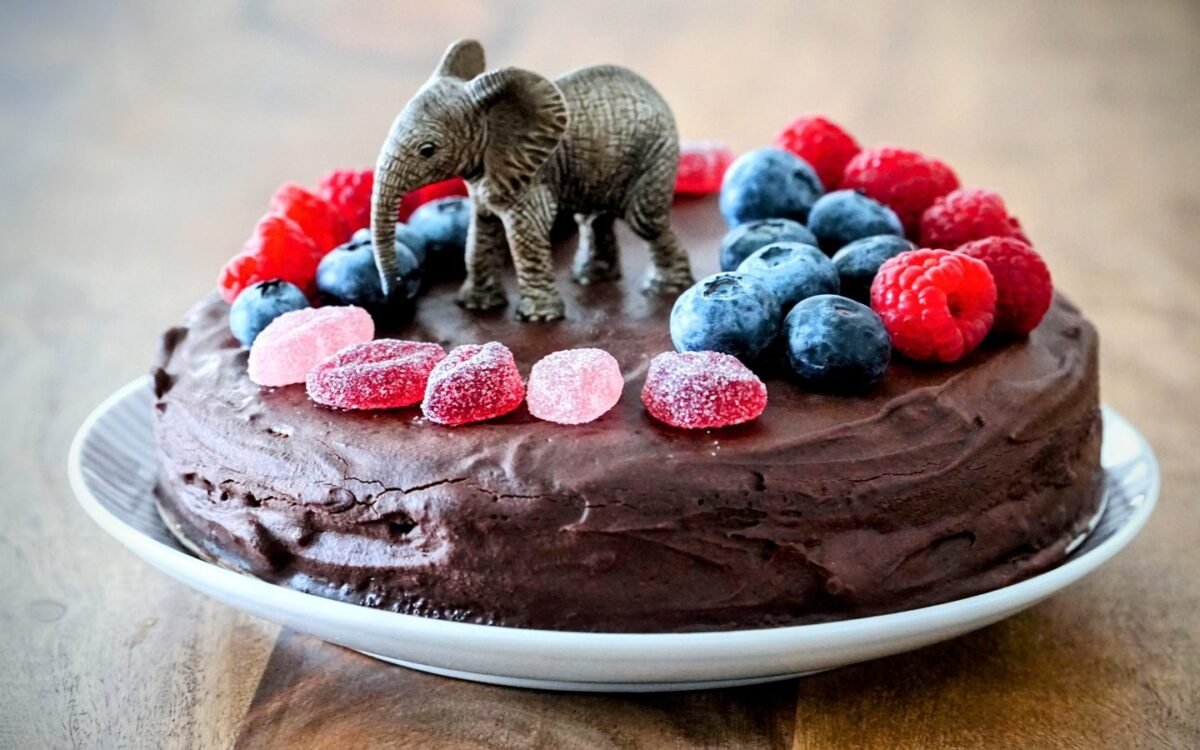
A vegan cake contains no animal products at all, a dairy free cake contains no milk or milk products, and an eggless cake simply leaves out eggs. They overlap but are not interchangeable: an eggless cake may be full of butter, and a dairy free cake may contain eggs. Tell your baker exactly why you need the cake, because the reason decides what they must avoid.
Three terms, three different cakes
People use these words loosely when ordering, and bakers usually ask follow-up questions for that reason. Here is what each normally means.
A vegan cake uses no eggs, no dairy, no honey and no other animal-derived ingredient. The butter is replaced with a plant-based fat, the milk with a plant milk, and the eggs are left out or replaced. A dairy free cake avoids milk, butter, cream, yoghurt and cheese, but may still use eggs. An eggless cake avoids eggs, and many are made with milk and butter as normal. Some religious and cultural traditions ask for eggless cakes specifically, so the phrase is very common in that setting.
If the person eating the cake has an allergy, the stakes are different from a preference. Say it plainly: “allergic to milk” or “allergic to egg” tells the baker to think about the whole kitchen, not just the recipe.
How bakers make them work
Eggs give structure, lift and moisture, so removing them means using something else. Common substitutes include chickpea water (aquafaba), mashed banana, apple purée, yoghurt alternatives and baking powder with a little vinegar. Butter is typically swapped for a plant-based block fat or oil, and cream for a plant-based whipping cream or a coconut cream.
A good vegan or eggless sponge is not a lesser cake, though it is a different one. It may be a little denser or a little lighter, depending on the recipe, and some flavours suit the method better than others. Chocolate, lemon, carrot and banana are generally forgiving. A delicate, high-rise sponge is harder. If you have set your heart on a particular style, ask whether the baker has made it before and whether they can send photographs.
Vegan birthday cake: what to ask
- Is the whole cake vegan, including the filling, the buttercream, the decoration and the board?
- Is the sugar vegan? Some refined sugar can be processed with bone char, and a baker who is careful will know where theirs comes from.
- Does the food colouring or glaze contain any animal product, for example shellac or carmine, which some products use?
- Will the cake be baked in a kitchen that also uses eggs and dairy, and if so, how is cross-contact handled?
- How far ahead should I book?
The fourth question matters for allergies more than for ethics. A vegan cake baked in a kitchen that also handles milk and eggs is vegan by recipe, but a baker will not generally promise it is free from traces unless they run a dedicated operation. Ask openly and expect an honest answer.
What they cost
Dietary cakes carry a premium, though often a modest one. In the price lists we checked in October 2026, one London bakery that is fully vegan and gluten-free priced its 6 inch cakes at £60 to £69, which is about what a standard 6 inch costs elsewhere in London. Another London patisserie started its celebration cakes at £75 and charged £90 for the vegan version. The full picture is on the cake prices page, and the cake price estimator helps you work out a budget for the size you need.
Ordering with a deadline
Dietary cakes are more likely to need advance notice, because the baker may need to clear and clean the kitchen, buy particular ingredients or schedule a separate bake. Ask for a date as soon as the party is fixed, not a week before. If you are short of time, say so, and be ready to be flexible on the design. A plain, well-made cake is better than an elaborate one made in a rush.
For labelling and allergen rules that businesses must follow, the Food Standards Agency allergen guidance is the place to look. Note that “vegan” on a cake is a description the baker chooses, unlike the gluten-free claim, which has a set legal limit, so the details come down to what the baker tells you and whether you trust their process.
Sorting out the labels at the counter
If you are buying a ready-made cake from a shop or bakery counter, the wording on the label matters more than the shop’s reputation. “Egg free” on a ticket does not tell you about milk, and “vegan” on a ticket should mean no animal ingredients at all, but it is fair to ask the person serving how that was checked. Staff in a small bakery are usually glad to explain, and a hesitant answer is useful information too.
For a party, it can help to order one cake that everyone can eat, instead of a standard cake plus a separate dietary one. A vegan cake that tastes good means nobody is singled out, and the baker only has to make one thing. Ask whether a single plant-based cake in the flavour you want is possible before you split the order.
Finding a vegan baker
The directory has a vegan bakers page. Open a listing for contact details and, where published, a price list, and check what each one says about its kitchen and ingredients. If you also need the cake to be free from gluten, the gluten-free bakers page is the next stop. You can also browse by county, such as Greater London or West Yorkshire, to see who is within collection distance.