Gluten free birthday cake: coeliac safety, labelling and what to ask a baker
10 November 2026
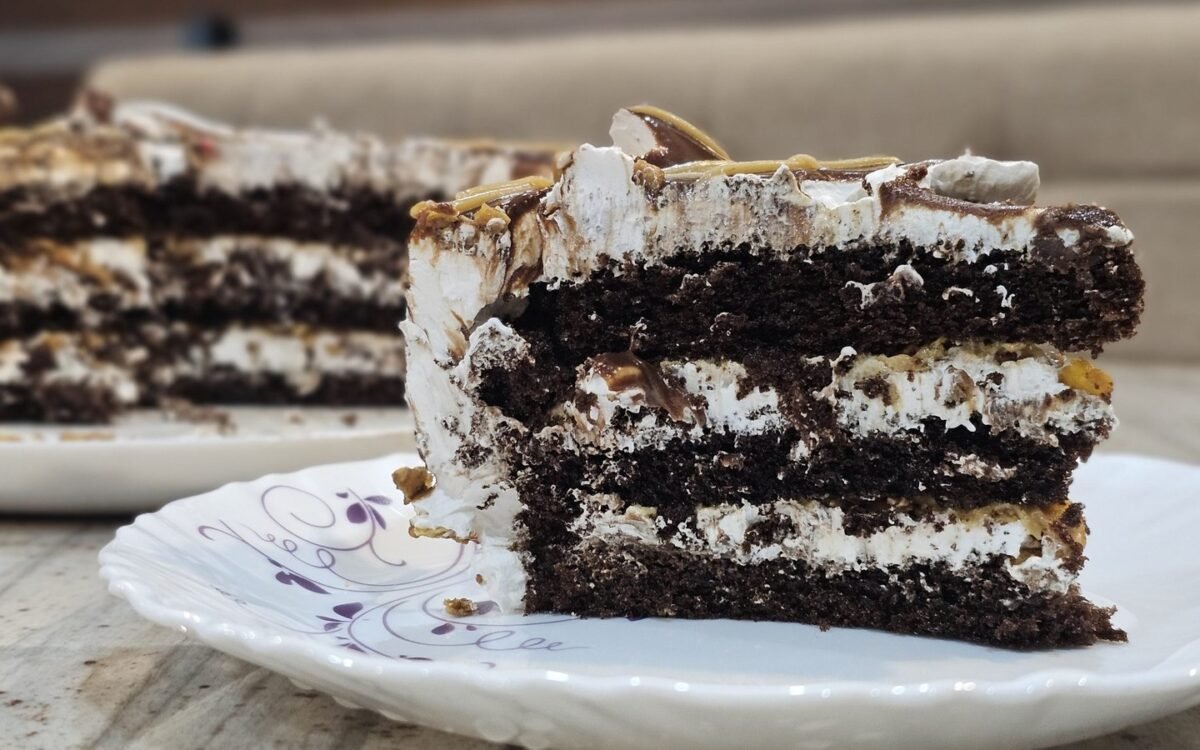
In the UK, a food can be described as “gluten-free” only if it contains no more than 20 milligrams of gluten per kilogram. That is the legal threshold, but it does not tell you how a baker works, and for someone with coeliac disease the kitchen matters as much as the recipe. Ask how the cake is made, not just what is in it.
Gluten free is not the same as “made without wheat”
A cake can use flour made from rice, almond, buckwheat or a gluten-free blend and still be risky. Gluten can arrive from a shared mixer, from flour dust floating around the kitchen, from tins that were washed after a wheat bake, or from decorations and fillings that contain wheat. For someone with coeliac disease, a very small amount is enough to cause harm, which is why the legal limit is so low.
The UK follows the same rule as the EU on this. A product described as “gluten-free” must contain no more than 20 mg/kg, and “very low gluten” is a separate claim for products made with wheat that has been processed to remove gluten. A baker who says “free from gluten-containing ingredients” is describing the recipe. That is a different statement from the legal claim, and the difference should be explained to you, not blurred.
Cross-contamination: the question that matters
Bakers fall into roughly two groups. Some bake only gluten-free, and their kitchen is built around it. Others bake gluten-free as a service in a kitchen that also handles wheat, using separate equipment and a careful routine. Both can be perfectly safe, depending on the person and the baker, but they are different situations and you should know which you are dealing with.
Ask these directly:
- Do you bake only gluten-free, or is wheat flour used in the same kitchen?
- Are tins, mixers, spatulas and boards kept separate, and are they cleaned before use?
- Do you make the gluten-free cake first, before wheat is out?
- Can you tell me every ingredient in the sponge, filling, icing and decoration?
- Do you describe the cake as gluten-free in the legal sense, or as made without gluten ingredients?
If the cake is for a guest with coeliac disease, say so at the start. If it is for someone who avoids gluten by choice, tell the baker that too, since it may change what they are prepared to promise.
Labelling and allergen information
Cereals containing gluten are one of the 14 allergens that food businesses must be able to tell you about. A baker selling a cake should be able to give you the ingredients, and to say which allergens are present. The Food Standards Agency sets out the requirements on its allergen guidance page, and it is worth a read if you are ordering for someone with a medical need.
Be wary of small details that slip through: wheat-based sprinkles, some food colourings, edible glitter, biscuit decorations, the filling jam, even the label on a bought-in chocolate. A good baker thinks about all of these and will tell you if any is a problem.
Does it taste like a proper cake?
Gluten-free baking has improved a great deal. Without gluten the crumb can be crumbly or dense if the recipe is poorly balanced, but a baker who specialises will have settled on blends and techniques that give a moist, even sponge. Sponge flavours that carry well include chocolate, lemon, orange and almond. Ask what the baker recommends. If you can, try a sample or ask to see a cut slice in a photograph.
What it costs
Gluten-free cakes usually cost somewhat more because the ingredients are dearer and the kitchen process needs care. In the price lists we checked in October 2026, one London bakery that is fully vegan and gluten-free priced its 6 inch cakes at £60 to £69, which is close to what an ordinary 6 inch costs elsewhere in London. The cake prices page has the rest, and the cake price estimator helps you plan a budget by size.
Booking early
Gluten-free orders often need more notice, since the baker may reserve a day for them or clear the kitchen first. Ask for the date as soon as the party is fixed, and tell the baker how firm the date is.
Gluten-free for guests, not just the birthday person
At a party there is often one guest who cannot eat gluten, and the usual instinct is to buy a small gluten-free cake on the side. That works, but only if it stays separate. Cut it first with a clean knife, serve it on its own plate, and keep it away from the main cake and the crumbs. A knife used on a wheat sponge and then on a gluten-free one undoes the baker’s work in a second.
Candles, cake boards and toppers can also carry traces. Ask the baker which of these they supply, and bring your own candles if you would rather control it. For a child with coeliac disease, tell the other parents ahead of time, so nobody offers a slice of something else.
Bought-in extras are the other gap. A gluten-free sponge topped with a shop-bought decoration, a sauce or a tub of sprinkles is only as safe as the label on that item, so read it or ask the baker to supply them.
Finding a gluten-free baker
The directory has a gluten-free bakers page. Open each listing for contact details, and ask your questions in your first message. If you also need the cake to be dairy and egg free, see our vegan bakers.